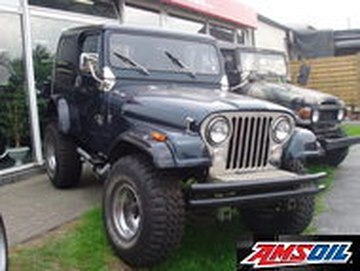
Engine Oil Maintenance for your 1983 Jeep CJ-7 4.2L
Maintaining the engine of a classic vehicle requires consistent attention to fluid levels and cleanliness. For the 1983 Jeep CJ-7 equipped with the 4.2L engine, regular oil changes are a fundamental part of preserving mechanical integrity. Proper lubrication ensures that internal components operate with minimal friction and helps manage the heat generated during engine operation.
When should I change the oil in my 1983 Jeep CJ-7 4.2L?
To determine the correct interval for an oil change, you should follow the owner's manual or the manufacturer maintenance schedule. There are no specific mileage or time intervals provided in this documentation, so adhering to the original manufacturer guidelines is the only way to ensure service is performed at the intended frequency.
Understanding Engine Oil Viscosity
Viscosity refers to a fluid's resistance to flow. In an engine, the oil must be thick enough to maintain a protective film between moving parts, yet thin enough to circulate quickly during a cold start. For this specific 1983 Jeep CJ-7 application, 10W-30 is the database-allowed viscosity. Using the correct weight helps ensure that the lubrication system performs as designed across various operating temperatures.
Monitoring Oil Levels and Condition
Beyond following a scheduled change interval, regular visual inspections of the engine oil are highly beneficial. Checking the dipstick allows you to monitor two critical factors: the volume of the oil and its physical condition. If the oil level appears low on the dipstick, it may indicate a leak or consumption that requires investigation. Additionally, observing the color and texture of the oil can provide clues about engine health. While oil naturally darkens over time due to the accumulation of combustion byproducts, an extremely dark or gritty texture may suggest that the oil is heavily contaminated and needs replacement.
The Role of the Oil Filter
An engine oil change is not complete without addressing the oil filter. The filter is responsible for capturing microscopic debris, metal shavings, and carbon deposits that inevitably enter the oil during the combustion process. If a filter becomes clogged with contaminants, it can restrict oil flow or cause the bypass valve to open, allowing unfiltered oil to circulate through the engine. When performing maintenance on your 4.2L engine, always replace the filter alongside the oil to ensure the new fluid remains clean for as long as possible.
Identifying Potential Leaks
Older engines are more prone to developing leaks at various gaskets and seals. When performing an oil change, it is a good practice to inspect the area around the oil pan, valve covers, and oil filter housing for signs of seepage. Finding a leak early can prevent significant oil loss and protect other engine components from being coated in oil. If you notice fresh oil pooling under the vehicle or see oil staining on the engine block, these are clear indicators that a seal or gasket may need attention.
Maintaining Cleanliness During Service
When performing your own maintenance, cleanliness is vital. Before removing the oil filler cap or the oil filter, ensure the area around them is free of dirt and debris. This prevents contaminants from falling into the engine during the service process. Using a clean drain pan and ensuring that all tools are wiped down will help maintain a professional standard of care for your 1983 Jeep CJ-7.
What oil does my 1983 Jeep CJ-7 4.2L take?
The following 10W-30 motor oils are listed for this vehicle:
- Signature Series 10W-30 Synthetic Motor Oil (ATMQT-EA)
- XL 10W-30 Synthetic Motor Oil (XLTQT-EA)
- OE 10W-30 Synthetic Motor Oil (OETQT-EA)
What oil filter does my 1983 Jeep CJ-7 4.2L need?
The following oil filters are listed for this vehicle:
- EA15K32-EA — AMSOIL Ea Oil Filters
- 51522-EA — WIX Oil Filter
What transmission fluid does my 1983 Jeep CJ-7 4.2L take?
The required fluid depends on your specific transmission type:
- For manual synchromesh transmissions, use the MTFQT-EA Manual Synchromesh Transmission Fluid 5W-30 listed for this vehicle.
- For automatic transmissions, use either the ATFPK-EA Signature Series Multi-Vehicle Synthetic Automatic Transmission Fluid or the OTFQT-EA OE Multi-Vehicle Synthetic Automatic Transmission Fluid listed for this application.
BUYING ENGINE OIL
When you are ready to purchase supplies, look for oil that meets the 10W-30 viscosity requirement listed for this vehicle. Check the packaging to ensure it aligns with the needs of your engine and consider whether you require conventional or synthetic formulations based on your specific maintenance preferences. Always verify that any oil filter you select is listed for your specific 4.2L application to ensure proper fitment during installation.